In today’s digital era, screens are everywhere. Whether it’s computers at work, smartphones, tablets, or televisions, most of us spend several hours every day looking at digital devices. With this increase in screen exposure, blue cut glasses—also known as blue light blocking glasses—have become increasingly popular.
Many people believe these glasses can reduce eye strain, improve sleep, and protect long-term eye health. But how much of this is true? Let’s understand what blue light is and whether blue cut glasses are actually beneficial.
What is Blue Light?
Blue light is a part of the visible light spectrum that the human eye can detect. It has a short wavelength and relatively high energy, which allows it to scatter more easily than other visible light.
Blue light comes from both natural and artificial sources.
The largest natural source of blue light is the sun. Exposure to natural daylight plays an important role in regulating the body’s circadian rhythm, which controls our sleep–wake cycle. Blue light during the day can improve alertness, mood, and cognitive performance.
However, modern lifestyles have significantly increased our exposure to artificial blue light. Common sources include:
Unlike sunlight, these sources are used at very close distances and often for prolonged periods, which has raised concerns about their effect on eye comfort and sleep.
Why Are People Concerned About Blue Light?
Many individuals who spend long hours on digital devices experience symptoms of digital eye strain, also called computer vision syndrome.
Common symptoms include:
Another concern is that exposure to screens late in the evening may interfere with sleep. Blue light can suppress the production of melatonin, a hormone that regulates sleep cycles. This may make it harder to fall asleep if devices are used late at night.
Because of these concerns, blue cut glasses have gained attention as a potential solution.
How Do Blue Cut Glasses Work?
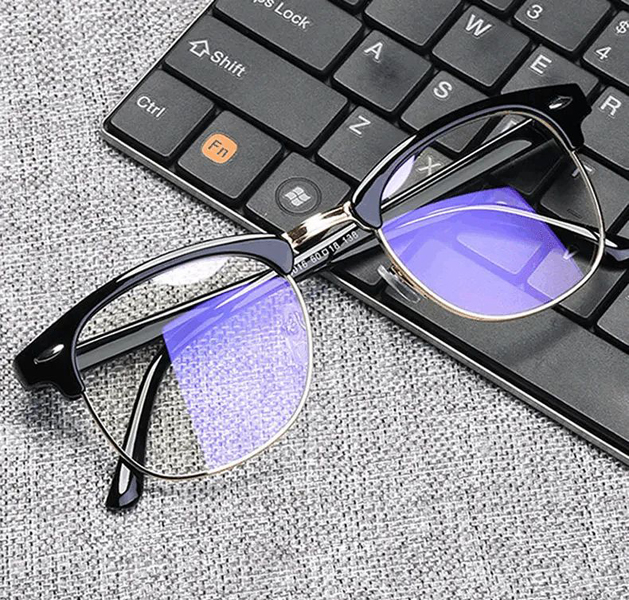
Blue cut glasses are designed with special lenses that filter a portion of blue light before it reaches the eyes.
These lenses may have a subtle yellow or transparent coating that selectively reduces the transmission of high-energy blue wavelengths.
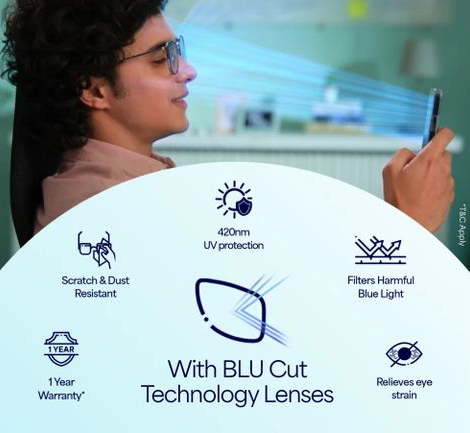
Manufacturers claim that blue light glasses may:
However, it is important to understand what scientific research actually shows.
What Does Science Say?
The effectiveness of blue cut glasses remains a topic of ongoing debate among eye care professionals.
Digital Eye Strain
Some users report reduced eye fatigue when using blue light glasses. However, research suggests that digital eye strain is primarily caused by prolonged screen time, reduced blinking, and poor ergonomics, rather than blue light itself.
When we stare at screens, we tend to blink less frequently. This leads to dryness and irritation, which contributes to discomfort.
Therefore, while blue cut glasses may improve comfort for some users, they are not the only solution.
Sleep Quality
Blue light exposure in the evening can suppress melatonin production and disrupt the body’s natural sleep cycle.
Studies suggest that reducing blue light exposure at night—either by limiting screen use or by wearing blue light blocking glasses—may help improve sleep quality for some individuals.
This is especially relevant for people who use smartphones, tablets, or laptops late in the evening.
Long-Term Eye Health
There has been speculation that long-term exposure to blue light could damage retinal cells. Some laboratory studies have suggested potential effects under extreme exposure conditions.
However, current clinical evidence does not show that blue cut glasses prevent serious eye diseases such as macular degeneration.
More long-term research is still needed in this area.
Anti-Glare Glasses vs Blue Light Glasses
People often confuse anti-glare lenses with blue light lenses, but they serve different purposes.
Anti-glare (anti-reflective) lenses have a special coating that reduces reflections from light sources such as headlights, lamps, and computer screens. This improves visual clarity and reduces glare, especially while driving at night or working under bright lighting.
Blue light glasses, on the other hand, are designed to filter specific wavelengths of blue light emitted by digital devices and LED lighting.
Many modern lenses combine both anti-reflective coating and blue light filtering, offering better visual comfort.
Who May Benefit from Blue Cut Glasses?
Blue cut glasses may be helpful for people who:
For these individuals, blue cut lenses may provide additional visual comfort.
Healthy Screen Habits Matter More
While blue cut glasses may be useful for some people, healthy screen habits remain the most important factor in preventing digital eye strain.
Here are some simple strategies:
Follow the 20-20-20 Rule
Every 20 minutes, look at something 20 feet away for at least 20 seconds. This helps relax the focusing muscles of the eyes.
Blink Frequently
Blinking keeps the eyes lubricated and prevents dryness.
Adjust Screen Brightness
Avoid extremely bright screens, especially in dark environments.
Maintain Proper Lighting
Work in well-lit environments and avoid glare from windows or overhead lights.
Take Regular Breaks
Frequent short breaks can significantly reduce eye fatigue.
Final Thoughts
Blue cut glasses are not a magic solution, but they can be a useful tool for people who spend long hours on digital devices. They may help improve visual comfort and reduce the impact of nighttime screen exposure on sleep.
However, they should be considered part of a broader eye-care approach that includes proper screen habits, regular breaks, and routine eye examinations.
If you experience persistent eye strain, headaches, or blurred vision while using digital devices, it is always best to consult an eye care professional. A comprehensive eye examination can help identify the underlying cause and determine the most appropriate solution for your visual needs.