
Your vision is part of your daily life. It helps you see the world around you, from your family to friends.
Have you noticed a change in your vision recently? Vision changes can happen over time, and can be caused by multiple factors. Here are some causes of eyesight decline.
1 Age-Related Macular Degeneration
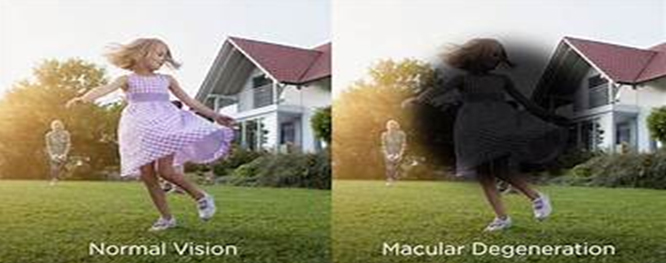
Age-related macular degeneration is an eye condition where your vision is not as sharp anymore. Age is the biggest cause of this, and it occurs when aging damages the macula, which is the part of the eye that controls sharp, straight-ahead vision. It can occur faster in some people than others, and it affects your ability to see things up close and sharply.
2 Cataracts

A cataract is a cloudy lens on the eye. Cataracts can cause your vision to become blurry and cloudy, and also cause people to see halos or have difficulty seeing at night. Cataracts are estimated to affect 24.4 million people aged 40 and older. Signs of cataracts can start gradually and develop over time.
3 Glaucoma
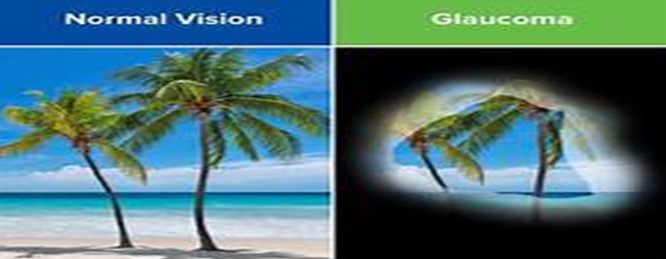
Glaucoma is a group of eye diseases that affect the optic nerve, usually due to high pressure in the eye. It usually occurs due to fluid buildup. Anyone of any age can get glaucoma, but it tends to affect more people as they get older. Glaucoma can reduce your vision by causing patchy spots and tunnel vision.
4 Diabetic retinopathy
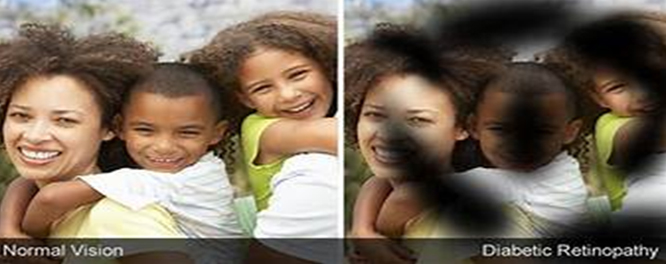
Diabetic retinopathy occurs in people with diabetes, and it damages the blood vessels of the light-sensitive tissue in the back of the eye (the retina). This condition can be difficult to notice at first, but a few signs include spots in your vision, blurriness, and vision loss. The main cause is too much sugar in your bloodstream can cause a blockage in the retina, which cuts off your blood supply.
5 Retinal Detachment
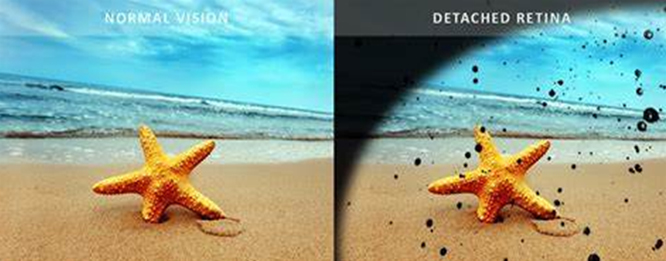
Retinal Detachment is when the tissue in the back of the eye pulls away from its regular position. Some signs of retinal detachment include loss of side vision, the sudden appearance of dark floating shapes, and flashes of light in your vision.
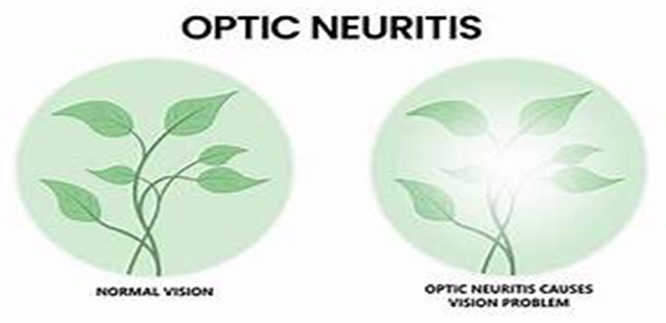
6 Optic Neuritis
While eye yoga helps improve comfort and reduce strain, it is not a replacement for medical treatment. Conditions such as cataracts, glaucoma, or severe refractive errors require professional care. Eye yoga works best as a supportive and preventive practice rather than a cure for structural eye diseases.
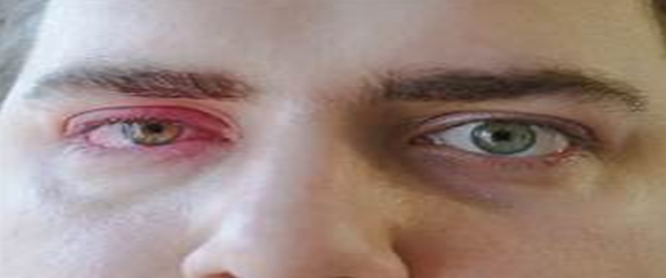
7 Eye Injury
While eye yoga helps improve comfort and reduce strain, it is not a replacement for medical treatment. Conditions such as cataracts, glaucoma, or severe refractive errors require professional care. Eye yoga works best as a supportive and preventive practice rather than a cure for structural eye diseases.