
What is Eye Yoga?
Eye yoga consists of simple movements that stretch, strengthen, and relax the muscles controlling your eye movements. While it won't magically cure genetic vision problems (like needing reading glasses), it is incredibly effective for:
• Reducing digital eye strain and fatigue
• Relieving tension headaches
• Improving focus and flexibility of the eye muscles
• Increasing blood circulation to the eyes
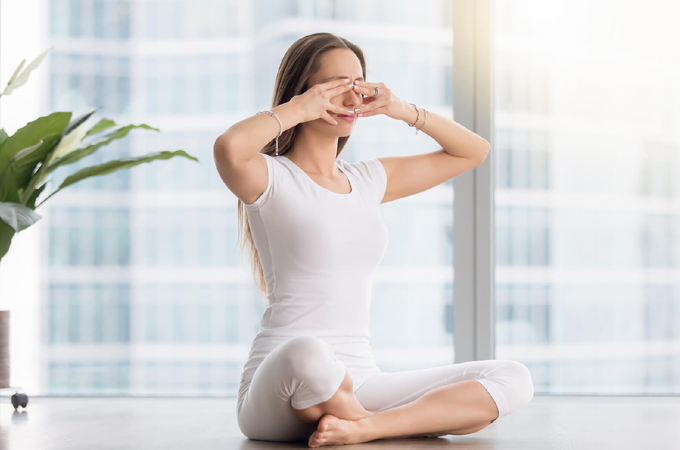
Why Eye Exercises Are Important Today ?
Modern lifestyles place unprecedented strain on the eyes. Long hours of screen use, artificial lighting, air-conditioned environments, and reduced blinking contribute to dryness and fatigue. Regular eye yoga helps counteract these effects by relaxing muscles and restoring visual comfort.
Practising yoga exercises for eyes also encourages mindful blinking and relaxation, which supports tear film stability and reduces irritation caused by prolonged focus.
Benefits of Yoga for Eyesight
Regular yoga exercises for eyes offer numerous benefits for maintaining healthy
vision and overall eye health. These benefits include:
• Improved Eyesight: Enhance visual acuity by strengthening eye muscles and improving focus.
• Reduced Eye Strain and Fatigue: Alleviate symptoms of digital eye strain caused by prolonged screen time.
• Prevention of Dry Eyes: Promote natural lubrication through frequent blinking and relaxation techniques.
• Better Focus and Concentration: Improve the coordination between your eyes and brain.
• Enhanced Blood Circulation: Boost oxygen and nutrient delivery to the eyes, supporting their overall function.
• Relaxed Eye Muscles: Relieve tension and reduce discomfort caused by daily visual demands.
• Prevention of Age-Related Vision Problems: Minimize the risk of conditions like presbyopia .
Another important benefit of eye yoga is improved visual endurance. Many people notice that their eyes feel less tired after reading or working when they practice yoga for eyes regularly.
Eye yoga may also help reduce mild headaches associated with eye strain, especially when combined with good posture and regular breaks.
3 Simple Eye Yoga Exercises to Try Right Now
You can do these right at your desk. Take off your glasses or remove your contacts if they feel uncomfortable.
1. The Clockwork Roll (Muscle Stretch)
Think of your vision as a giant clock face.
• Sit up straight and look straight ahead.
• Slowly look up toward 12 o'clock. Hold for a second.
• Smoothly move your eyes clockwise to 3 o'clock, then 6 o'clock, 9 o'clock, and back to 12.
• Repeat this circular motion 3 times, then switch and go counter-clockwise.
• Tip:Move only your eyes, not your head!
The Near-and-Far Focus (Flexibility)
This helps the focusing muscles inside your eyes relax.
• Hold your thumb out in front of you at arm's length and focus your eyes on it.
• Slowly bring your thumb closer to your nose, keeping your eyes locked on it, until it starts to blur.
• Pause, then slowly extend your arm back out.
• Now, look past your thumb at something far away in the room (or out a window).
• Repeat this cycle 5 times.
3. Palming (The Ultimate Relaxation)
This is the perfect way to end your routine. It uses the warmth of your hands to soothe the optic nerve.
• Rub your palms together vigorously until they feel warm and tingly.
• Gently cup your warm palms over your closed eyes. Do not press on your eyeballs ,just let your hands form a dark curtain over them
• Breathe deeply and enjoy the warmth and total darkness for 30 to 60 seconds
The Golden Rule: The 20-20-20 Habit
Every 20 minutes, take a 20-second break, and look at something at least 20 feet away.By looking into the distance, you naturally force your eye muscles to reset and relax.
Limitations of Eye Yoga
While eye yoga helps improve comfort and reduce strain, it is not a replacement for medical treatment. Conditions such as cataracts, glaucoma, or severe refractive errors require professional care. Eye yoga works best as a supportive and preventive practice rather than a cure for structural eye diseases.