Dry eye disease happens when your eyes do not make enough tears or when tears dry up too quickly.
Understanding the purpose of dry eye examinations:
• Find out how severe the condition is.
• Identify whether the problem is low tear production or fast tear evaporation.
• Check for eye or general health problems causing dry eyes.
• Choose the best treatment.
INVESTIGATIONS:
1. Schirmer Test
• Measures how many tears your eyes produce using a small paper strip.
• Low results mean reduced tear production.
2. Tear Break-Up Time (TBUT)
• A dye is placed in the eye.
• Measures how quickly tears break up.
• Short time means tears are unstable.
3. Ocular Surface Staining
• Special dyes show damaged areas on the eye surface.
• Helps assess the severity of dry eye.
4. Tear Osmolarity
• Measures the salt level in tears.
• High salt levels suggest dry eye disease.
5. Meibomian Gland Examination
• Checks whether the oil glands in the eyelids are working properly.
• Poor gland function causes tears to evaporate faster.
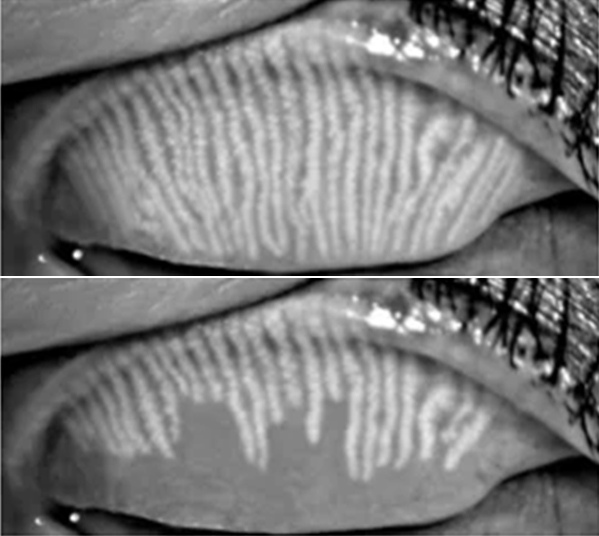
6. Meibography
• Uses imaging to see the meibomian glands and detect damage.
7. InflammaDry Test
• Detects inflammation in the eye by measuring the MMP-9 protein.
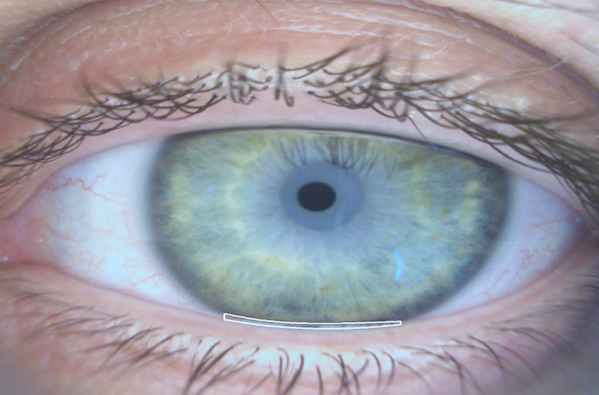
8. Tear Meniscus Height
• Measures the amount of tears along the lower eyelid.
Additional Blood Tests (if needed)
If another disease is suspected, following tests are advised
• Complete blood count (CBC)
• Blood sugar test
• Thyroid function test
• Autoimmune tests (ANA, RF, Anti-SSA, Anti-SSB)
• Vitamin A level