INTRODUCTION
Air pollution damage your eyes by causing inflammation, and irritation the ocular surface with fine dust and gases like nitrogen dioxide.
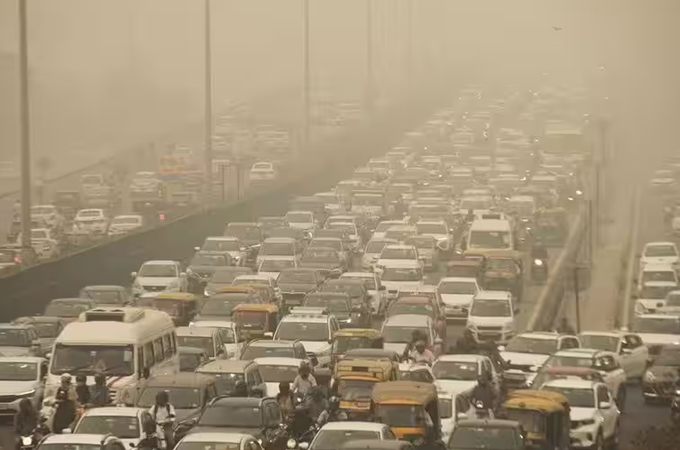
If you live in Gurgaon or anywhere in the NCR, you already know the pattern. October arrives, the air turns grey, and the AQI app on your phone starts showing numbers in red. Then the complaints begin. Eyes that burn. Eyes that water for no reason. A gritty feeling, as if someone dropped sand inside. Children rubbing their eyes in the school car. Parents who wake up with red, sticky eyes.
Most people think about their lungs when the AQI goes bad. Eyes get ignored, even though they are one of the few organs sitting directly in the path of polluted air with almost no cover. Your lungs have a nose and throat to filter the air first. Your eyes don’t.
This guide explains what pollution does to your eyes, and gives you simple, practical eye care tips for air pollution days that you can start using right now.
Common Symptoms
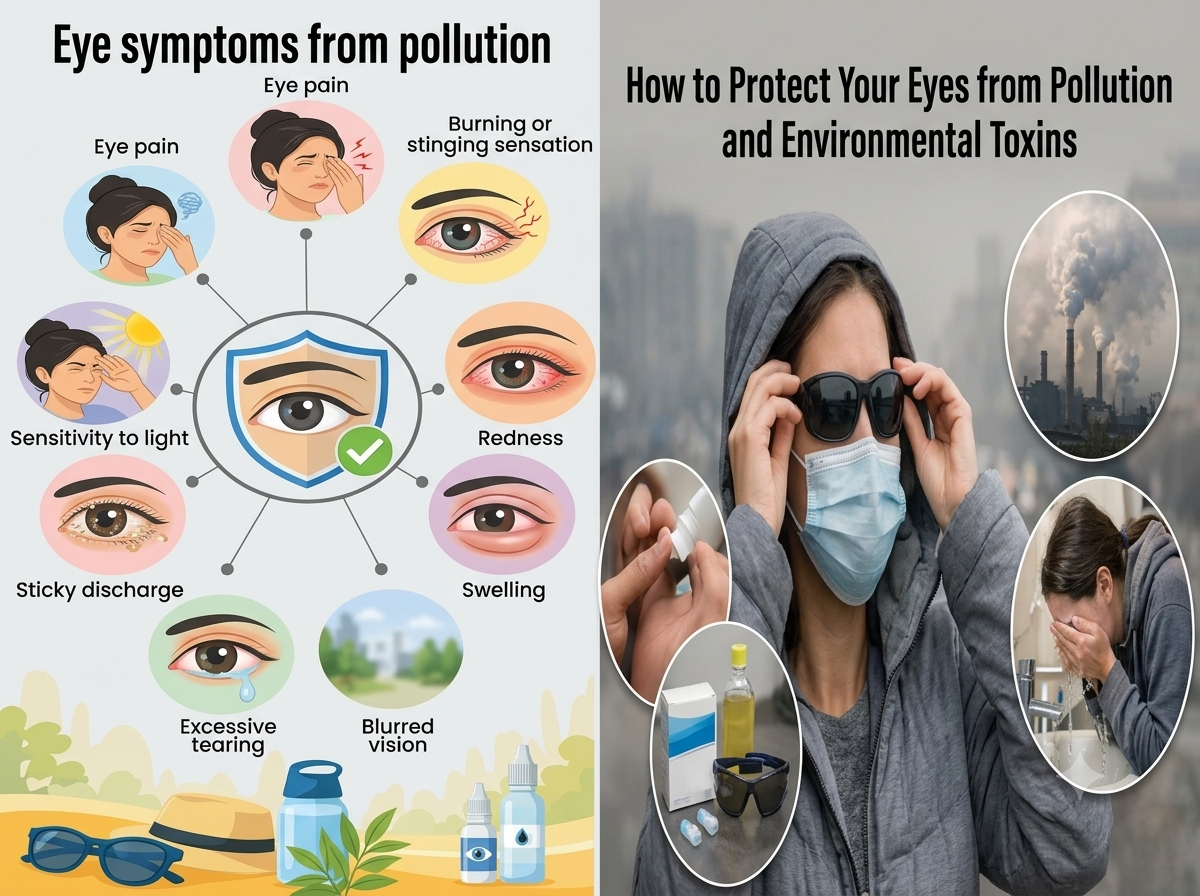
• Dryness and Grittiness: A burning or foreign body sensation in eye.
• Redness and Irritation: Red eyes from surface inflammation.
• Watering: Excessive tearing that fails to properly lubricate the eye.
• Allergy flare ups: Itching, swelling, redness, watering, discharge.
Eye Protection Tips
Wear Protective Eyewear
Use wraparound sunglasses, goggles, or safety glasses when stepping outside.
Switch from Contact Lenses to Glasses
Contact lenses act as a net that traps dust, smog, and chemical pollutants directly against your cornea, significantly raising the risk of irritation and infection.
Avoid Rubbing Your Eyes
When your eyes feel itchy or gritty, do not rub them. Rubbing grinds microscopic particulate matter into the delicate ocular surface and worsens inflammation.
Use Lubricating Eye Drops
Throughout the day to rehydrate the tear film and wash out irritants. Avoid over-the-counter "redness-relief" or decongestant drops, as they can cause rebound redness with frequent use.
Stay Hydrated
Drink plenty of water (8 to 10 glasses daily) to support your body's natural tear production.
Wash Eyelids Frequently
Clean your face and eyelids regularly with clean, filtered water to eliminate any ambient particulate matter that has settled on your eyelashes or skin.
How Air Pollution Affects Your Eyes
The surface of the eye is covered by a thin layer of tears. This layer keeps the eye wet, washes away dust, and acts as the first line of defence. In clean air, it works well. In polluted air, it gets overwhelmed.
Here is what is in the air during a poor AQI day, and how it bothers the eye:
• PM2.5 and PM10 (fine dust and soot). These tiny particles settle on the eye surface and irritate the cornea and the inner lining of the eyelids. PM2.5 is small enough to stay in the tear film and cause ongoing inflammation.
• Smoke from burning waste, crops and vehicles. Smoke carries chemicals that sting the eyes and break down the tear layer, which leads to dryness.
• Gases like nitrogen dioxide, sulphur dioxide and ozone. These dissolve in the tear film and make it more irritating.
• Pollen, mould and dust mites. These mix with pollution and make eye allergies worse, especially in winter when we stay in closed rooms.
The result is a mix of dryness, allergy and irritation. Some studies also suggest that long-term exposure to polluted air may add to the risk of certain serious eye conditions, though research on this is still developing. What we can say with confidence is that poor air quality makes eye discomfort more common and more stubborn.
Understanding the AQI: When to Take Extra Care
India’s Central Pollution Control Board groups the Air Quality Index into six bands. Use it as a quick guide for how careful you should be.
| AQI Range | Category | What to do for your eyes |
|---|---|---|
| 0 to 50 | Good | No special steps needed |
| 51 to 100 | Satisfactory | Sensitive people may notice mild irritation |
| 101 to 200 | Moderate | People with dry eyes or allergies should start protecting their eyes |
| 201 to 300 | Poor | Wear eye protection outdoors, limit time outside, use lubricating drops if advised |
| 301 to 400 | Very Poor | Avoid going out when possible, and keep eyes protected and clean |
| 401 and above | Severe | Stay indoors, especially children, older adults and contact lens wearers |
If you want a daily reading for Gurgaon, check the CPCB’s official AQI portal or the SAFAR app, rather than relying on one random weather app.
12 Eye Care Tips for Air Pollution Days
1. Wear wraparound glasses or sunglasses outside
Regular glasses help a little, but air still gets in from the sides. Wraparound sunglasses or clear protective glasses block more dust and smoke. For two-wheeler riders, goggles or a helmet with a full visor are far better than nothing. Remember that an N95 mask protects your lungs, not your eyes.
2. Don’t rub your eyes
It is the first thing everyone does, and the worst. Rubbing pushes dust particles across the cornea, which is the clear front window of the eye, and can scratch it. It also makes the allergy reaction stronger. If your eyes itch, use the steps below instead.
3. Rinse your face and eyelids with clean water
When you get home, wash your face and the area around your eyes with clean, cool water. This clears the dust sitting on your lashes and eyelids. Don’t pour water directly into the eyes with force, and don’t use tap water that is not clean.
4. Use lubricating eye drops, the right kind
Artificial tears can wash away particles and calm dryness. Choose preservative-free drops if you plan to use them more than three or four times a day. Don’t use “eye whitening” or “redness relief” drops regularly, since they can cause rebound redness. And never use steroid drops or any medicated drops without a doctor’s advice, even if a friend used them for the same problem.
5. Use a cold compress for itching and swelling
A clean, cool, damp cloth over closed eyes for five to ten minutes can ease itching and puffiness. It feels good, and it costs nothing.
6. Switch from contact lenses to glasses on bad AQI days
Contact lenses trap dust and smoke particles against the cornea, which raises the risk of irritation, infection and ulcers. On Poor, Very Poor and Severe days, wear your glasses instead. If you must wear lenses, use daily disposables, wash your hands first, and take them out the moment your eyes feel uncomfortable.
7. Keep indoor air clean
Windows closed during the worst hours (usually early morning and late evening in winter) helps. An air purifier with a HEPA filter in the bedroom or study can bring down indoor dust. Dust the house with a damp cloth rather than a dry one, which only moves particles into the air.
8. Don’t do outdoor exercise when the AQI is Poor
Morning walks and jogging feel healthy, but heavy breathing in smog takes more pollutants into your body. On Poor AQI days, exercise indoors.
9. Wash pillowcases and towels often
Dust and allergens collect on fabric and go straight back to your face at night. Change pillowcases at least once a week during smog season, and never share towels, since eye infections spread easily.
10. Blink more, and take screen breaks
When pollution has already dried your eyes, staring at a phone or laptop makes it worse, because we blink far less on screens. Follow the 20-20-20 rule: every 20 minutes, look at something 20 feet away for 20 seconds, and blink fully a few times.
11. Drink enough water and eat for your eyes
Being dehydrated makes dry eyes worse. Foods with omega-3 fatty acids (fish, walnuts, flaxseeds), and fruit and vegetables rich in vitamins A, C and E, support a healthy tear layer and eye surface. They don’t replace treatment, but they help.
12. Skip home remedies
Rose water, honey, tea bags, breast milk, kajal and similar things are not safe to put in the eyes. They may carry germs and can turn mild irritation into an infection. When in doubt, clean water and artificial tears are the safe choices.
When to See an Eye Specialist
Mild burning that settles after a face wash and a few lubricating drops is usually nothing to worry about. But Contact Eye Specialist and get your eyes examined if:
• Redness or irritation lasts more than two or three days
• You have thick yellow or green discharge, or eyelids stuck together in the morning
• You feel pain, not just irritation
• Your vision becomes blurry and doesn’t clear with blinking
• Light hurts your eyes
• You feel something stuck in the eye that does not go away
• There was a chemical splash or injury
• A child has red, watery eyes with fever
Go to an eye hospital immediately if you have severe eye pain, sudden vision loss, or any injury from chemicals or flying particles.
At Complete Eye Care in Gurgaon, Dr. Parul Sony (MD, AIIMS; FRCS) and her team can examine your eyes, find out whether the trouble is dryness, allergy or infection, and treat it properly.
Faq